Blog

10 Tips for Choosing a Plastic Card Counter Machine

10 Tips for Choosing a Plastic Card Counter Machine

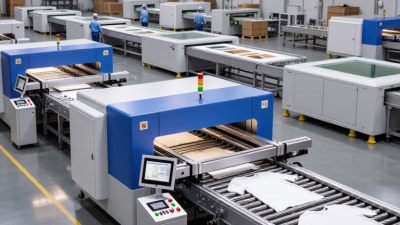
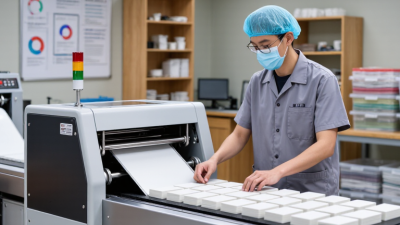
Choosing a Plastic Card Counter Machine can influence accuracy, labor costs, and customer confidence. In a busy card-printing room, one counting error may delay shipping or require an expensive recount. The right machine should match card size, material, thickness, and daily workload. It should also fit the operator’s real routine, not only a supplier’s specification sheet. Experience matters here. A powerful model may still feel awkward beside a laminator or become noisy during long shifts. This guide presents ten practical tips for evaluating these machines. It examines counting sensors, calibration, stack capacity, operating speed, maintenance access, and control-panel clarity. It also considers card surfaces, static electricity, warped cards, and mixed batches. These details can affect results more than advertised speed. A reliable supplier should explain testing methods, accuracy limits, spare-part availability, and service response times. Ask for a demonstration using your own cards. Sample testing often reveals problems that brochures hide. No machine is flawless. Even experienced operators may overlook cleaning intervals or suitable room conditions. That weakness deserves attention. A careful purchase includes staff training, routine inspections, and a clear backup process. Comparing several models can prevent an expensive mismatch. Look for stable performance across repeated batches, not one impressive demonstration. With practical testing and honest questions, businesses can choose equipment that supports consistent counting, safer handling, and dependable production over time.
Read more »
Evelyn By:Evelyn - October 17, 2026
7 Tips to Choose a Mechanical Die Cutting Press

7 Tips to Choose a Mechanical Die Cutting Press

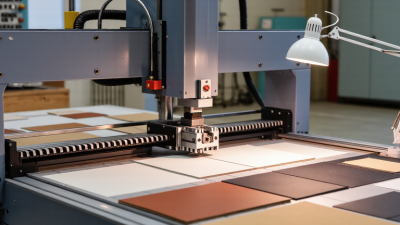
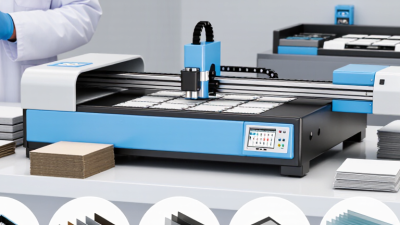
Choosing a Mechanical Die Cutting Press is rarely a simple price comparison. The right machine must match your materials, production volume, tooling, and available floor space. A press that cuts thin paper beautifully may struggle with dense board, leather, rubber, or layered adhesive materials. That difference becomes obvious when edges fray, sheets shift, or the machine overheats during a long run. Manufacturing quality expert Joseph M. Juran offered a useful principle: “Quality is fitness for use.” His words apply directly here. A reliable press should fit your actual work, not an imagined factory. Check cutting force, bed size, stroke length, speed control, registration accuracy, and tool compatibility. Watch the machine operate, if possible. Listen for uneven sounds. Inspect the cut edge under bright light. Small details often reveal expensive weaknesses. This guide presents seven practical tips for selecting a Mechanical Die Cutting Press. It considers both technical performance and daily usability. Energy use, operator access, maintenance intervals, spare parts, and supplier support also deserve attention. A low purchase price can become costly after repeated downtime. Still, no checklist is perfect. Your material samples may behave differently from catalog specifications. Test them before committing. Ask difficult questions. Record the answers. A dependable press should deliver clean cuts today and remain serviceable years later, even when production conditions become less predictable.
Read more »
Evelyn By:Evelyn - October 12, 2026
2026 Best Large Format Screen Printer for Global Buyers

2026 Best Large Format Screen Printer for Global Buyers

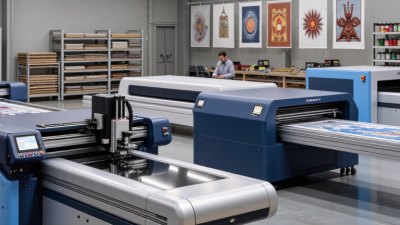
Choosing the 2026 Best Large Format Screen Printer requires more than comparing bed sizes or advertised production speeds. Global buyers need equipment that performs reliably across different climates, power standards, ink systems, and service conditions. A printer designed for exhibition graphics may not suit industrial panels, textile banners, or oversized signage. The right choice depends on real production demands. Mark Coudray, a respected screen-printing consultant and industry educator, has said, “Your process is only as strong as your weakest step.” That principle matters when evaluating a Large Format Screen Printer. A fast machine can still create costly problems if registration drifts, drying is uneven, or replacement parts arrive slowly. Small details matter. Ask about printhead access, frame compatibility, operator training, software support, and long-term maintenance. This guide compares leading models for international purchasing teams. It considers print accuracy, maximum format, automation, ink flexibility, energy use, safety features, and total ownership cost. It also examines supplier communication and after-sales support, which are often overlooked during price negotiations. Real-world experience suggests that the most expensive printer is not always the most productive. A lower-cost model may become inefficient under heavy workloads. Still, specifications alone cannot predict every result. Factory demonstrations may not reflect dusty workshops, humid warehouses, or rushed operators. Buyers should test their own materials before committing. That extra step may feel inconvenient, but it can prevent an expensive mistake.
Read more »
Evelyn By:Evelyn - October 7, 2026
China Top 10 Screen Printing Equipment Manufacturers?

China Top 10 Screen Printing Equipment Manufacturers?

China has become a major production base for Screen Printing Equipment, serving apparel, packaging, electronics, glass, and industrial applications. Its manufacturers range from compact workshop suppliers to large factories with automated production lines. This variety can help buyers find suitable machines, but it also makes comparison difficult. This guide examines China’s top ten Screen Printing Equipment manufacturers through practical, evidence-based criteria. These include machine accuracy, print speed, curing compatibility, customization support, quality control, export experience, and after-sales service. Factory capabilities matter. So do spare parts and technical training. A reliable supplier should explain screen size, substrate limits, registration accuracy, and recommended maintenance. Buyers should also inspect test-print records, certifications, installation procedures, and warranty terms. A polished website is not enough. Real performance matters more. The selected companies may serve different needs. One manufacturer may excel in automatic textile presses, while another focuses on glass or circuit-board printing. Comparing them as equals would be misleading. No list is perfect. Product models, prices, and service coverage can change quickly. The following overview aims to provide a clearer starting point for sourcing decisions. It combines market knowledge with practical purchasing considerations. Buyers should still request samples, verify specifications, and assess communication before signing any agreement. Better questions often reveal better suppliers.
Read more »
Julian By:Julian - October 2, 2026
Why Choose a Compact Laser Finishing System?

Why Choose a Compact Laser Finishing System?

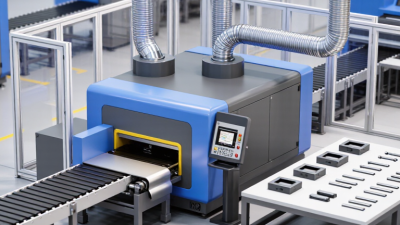
Choosing a Compact Laser Finishing System is not only about reducing equipment size. It is about fitting a finishing process into the space, workflow, and quality requirements of a real production area. A compact unit may help preserve floor space, shorten material movement, and bring processing closer to existing equipment. Small footprint. But size alone does not guarantee a good fit. Before comparing systems, consider the parts being processed, their materials, and the finish they require. A thin metal component may need different settings from a heavier workpiece. Ask suppliers how the laser handles your sample parts, and request clear details about cycle time, repeatability, operator training, and maintenance. Depending on the configuration, systems may support tasks such as surface cleaning, texturing, or other finishing steps. Capabilities vary, so confirm them rather than relying on a broad product label. Also examine the practical details around the machine: access for loading parts, enclosure needs, extraction arrangements, and room for routine service. These can shape daily use as much as the laser itself. A demonstration with representative parts can reveal uneven results or awkward handling before installation. Still, one sample run cannot answer every production question. Check performance across different batches and operating conditions. The right Compact Laser Finishing System should match documented process needs, not simply appear efficient in a brochure. A careful comparison makes that decision more reliable, even when the best choice is less compact than expected.
Read more »
Evelyn By:Evelyn - September 27, 2026
7 Tips for Choosing a Roll-to-Roll Laser Cutter?

7 Tips for Choosing a Roll-to-Roll Laser Cutter?

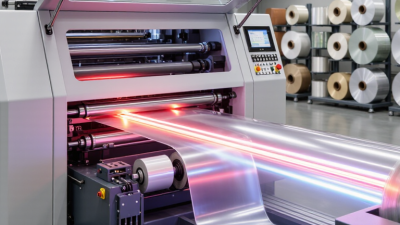
Choosing a Roll-to-Roll Laser Cutter is not a simple comparison of wattage, speed, or purchase price. The right system must match your material, web width, production volume, and cutting tolerance. A thin polymer film may curl under excess heat. A coated foil may produce smoke, residue, or uneven edges. Small details matter. Laser-processing researcher Dr. Andreas Ostendorf explains, “Process stability matters more than peak laser power.” This principle deserves attention. A powerful source cannot correct poor web tension, weak extraction, or inaccurate motion control. The following seven tips examine those practical risks before you commit to a machine. They cover laser wavelength, material testing, cutting quality, web handling, software control, safety features, and supplier support. Look closely at the machine in operation. Does the web remain flat at high speed? Are the edges clean under magnification? Can operators adjust tension without stopping production? Ask for test samples from your actual film, label stock, foil, or laminate. Vendor demonstrations can look impressive, yet they may use ideal settings and fresh materials. That is where judgment becomes difficult. No cutter is perfect. A reliable decision also considers maintenance, spare parts, training, and future product changes. A system designed for today’s narrow web may become restrictive after one expansion. My recommendation is deliberately cautious: compare verified test data, not attractive promises. These seven tips will help you assess performance realistically and choose a Roll-to-Roll Laser Cutter that supports consistent production, measurable quality, and fewer costly surprises.
Read more »
Julian By:Julian - September 20, 2026
How to Choose a Laser Die Cutting Machine?

How to Choose a Laser Die Cutting Machine?

Choosing a Laser Die Cutting Machine requires more than comparing wattage, speed, or promotional prices. The right system must match your materials, tolerances, order volume, and production environment. A machine cutting adhesive labels may differ greatly from one processing folding cartons, laminates, or thin films. Begin with the job itself. Record material thickness, maximum sheet size, cutting detail, daily output, and acceptable edge quality. Ask suppliers to process your real samples, not only standard test pieces. Inspect tiny corners, narrow channels, waste removal, and heat marks under normal lighting. Small flaws become expensive at scale. Look closely at the laser source, motion system, software, ventilation, and maintenance access. A fast machine is not automatically a productive machine. If operators struggle with setup, downtime can erase its advertised advantage. Service response also matters. Request training details, spare-part availability, warranty terms, and references from comparable manufacturers. Independent reviews and documented safety certifications can support your evaluation, but they should not replace technical verification. Budget beyond the purchase invoice. Include extraction equipment, consumables, software updates, electricity, operator training, and planned maintenance. The cheapest option may age badly. Yet the most expensive model may exceed your needs. That is the uncomfortable part. A practical decision matrix can clarify priorities. Score each Laser Die Cutting Machine against quality, speed, flexibility, reliability, safety, and total ownership cost. Recheck your assumptions after testing. Production reality often disagrees with the brochure.
Read more »
Julian By:Julian - September 20, 2026
What Is the Best Digital Label Converting System in 2026?

What Is the Best Digital Label Converting System in 2026?

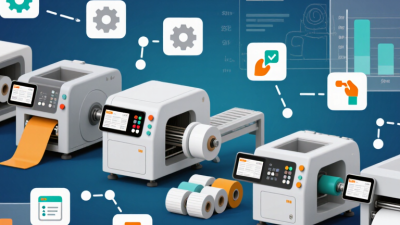
Choosing the best Digital Label Converting System in 2026 requires more than comparing machine speed. Label producers must examine workflow fit, print quality, automation, material support, and long-term operating costs. A system that performs well in a showroom may struggle with adhesive buildup, frequent job changes, or narrow web handling. Real production conditions reveal more. This guide evaluates the technologies that shape modern label converting. It considers digital finishing, laser or semi rotary die cutting, slitting accuracy, inspection tools, waste removal, and software integration. It also examines operator experience, maintenance access, energy use, and service support. These details matter when a converter handles short runs, variable data, premium embellishments, or urgent repeat orders. Reliable systems should produce clean edges, stable registration, and consistent rolls across different substrates. There is no universal winner. That is worth admitting. The right choice depends on volume, label formats, customer expectations, and available skills. A compact system may suit a growing converter better than a faster industrial line. However, limited automation can create hidden labor costs later. Specifications can also look impressive while masking difficult setup procedures. For this reason, the comparison uses practical decision criteria, manufacturer documentation, industry knowledge, and real operating considerations. Readers should still test their own materials before purchasing. A live sample often exposes problems that brochures never mention.
Read more »
Evelyn By:Evelyn - September 20, 2026